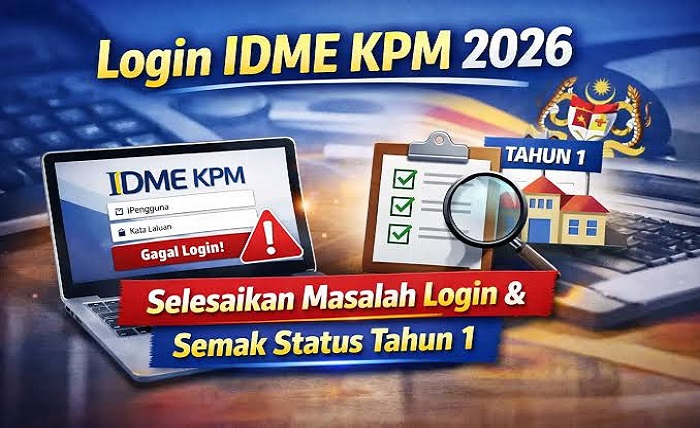
IDME KPM is a term that many people search online, but there is often confusion about what it actually refers to. Depending on the context, IDME KPM may be associated with identity verification processes, knowledge and performance management systems, or secure access platforms used by organizations. Understanding IDME KPM can help users navigate authentication systems, improve productivity, and maintain secure digital identities.
In today’s digital environment, organizations rely on secure identity management and efficient performance monitoring. IDME KPM has become a keyword of interest because businesses and institutions increasingly use digital verification and management solutions to protect sensitive information while streamlining operations.
This comprehensive guide explains everything you need to know about IDME KPM, including its purpose, features, advantages, implementation, security considerations, common challenges, and best practices.
Understanding IDME KPM and Its Purpose
The term IDME KPM generally combines concepts related to identity management and performance management. Identity management focuses on verifying users, controlling access, and protecting digital resources. Performance management emphasizes monitoring processes, measuring productivity, and improving organizational efficiency.
Organizations implementing IDME KPM aim to achieve several important objectives:
- Verify user identities securely.
- Protect confidential information.
- Improve employee productivity.
- Reduce unauthorized access.
- Simplify authentication procedures.
- Support regulatory compliance.
- Enhance operational efficiency.
A well-designed IDME KPM framework allows organizations to balance security with convenience. Instead of relying on outdated authentication methods, modern systems use advanced verification techniques that improve both user experience and security.
Another important aspect of IDME KPM is centralized management. Administrators can monitor access permissions, review system activity, and generate reports that help improve organizational performance.
Key Features of IDME KPM
One reason IDME KPM attracts attention is its broad range of useful features. While specific implementations vary between organizations, many systems include the following capabilities.
Identity Verification
A core component of IDME KPM is verifying user identities before granting access. This may involve passwords, multi-factor authentication (MFA), biometric verification, or document validation.
Secure Authentication
Modern IDME KPM solutions often include secure login mechanisms that minimize unauthorized access and reduce security risks.
User Management
Administrators using IDME KPM can create user accounts, assign permissions, update roles, and deactivate inactive users from a centralized dashboard.
Performance Monitoring
Performance analytics are another valuable aspect of IDME KPM. Managers can evaluate productivity, identify bottlenecks, and improve workflows.
Reporting Tools
Many IDME KPM platforms generate detailed reports that assist decision-makers in understanding trends and making informed business decisions.
Access Control
Organizations rely on IDME KPM to ensure users access only the resources relevant to their responsibilities.
Audit Logs
Comprehensive logging allows IDME KPM administrators to review login history, security events, and user activity for compliance and troubleshooting purposes.
Benefits of Using IDME KPM
The popularity of IDME KPM continues to grow because it offers numerous advantages for organizations and users alike.
Enhanced Security
One of the biggest benefits of IDME KPM is stronger security. Multi-layer authentication significantly reduces the risk of unauthorized access.
Better Compliance
Many industries require strict compliance with privacy and security regulations. IDME KPM supports compliance by maintaining detailed records and enforcing access policies.
Improved Productivity
Employees spend less time dealing with login issues when IDME KPM streamlines authentication processes.
Centralized Administration
Managing users becomes easier because IDME KPM provides a single platform for handling permissions and monitoring activity.
Reduced Human Error
Automated verification processes within IDME KPM minimize manual mistakes that could compromise security.
Better User Experience
Modern authentication methods make IDME KPM more convenient while maintaining high security standards.
Scalable Infrastructure
As organizations grow, IDME KPM systems can often scale to accommodate additional users, departments, and services.
How IDME KPM Works
Understanding how IDME KPM operates helps organizations implement it more effectively.
The process generally begins when a user attempts to access a protected system. IDME KPM requests authentication credentials, which may include a username, password, biometric scan, security code, or identity document.
Once the credentials are submitted, IDME KPM validates the information against trusted identity databases or authentication services.
If verification succeeds, the system determines the user’s permissions and grants access only to authorized resources. If authentication fails, IDME KPM blocks access and may notify administrators of suspicious activity.
Throughout the session, IDME KPM continuously records important events, such as logins, file access, permission changes, and logout times. These records help maintain accountability and improve security monitoring.
Organizations may also integrate IDME KPM with cloud services, enterprise software, HR systems, and productivity applications to provide seamless authentication across multiple platforms.
Best Practices for Implementing IDME KPM
Successful implementation of IDME KPM requires careful planning and ongoing management.
Enable Multi-Factor Authentication
Adding MFA significantly strengthens IDME KPM security by requiring multiple forms of verification.
Use Strong Password Policies
Organizations should enforce strong password requirements within IDME KPM to reduce credential-based attacks.
Conduct Regular Security Audits
Routine audits help identify vulnerabilities and improve the effectiveness of IDME KPM security controls.
Keep Software Updated
Regular updates ensure IDME KPM benefits from the latest security improvements and feature enhancements.
Train Users
Employee education is essential because IDME KPM is most effective when users understand safe authentication practices.
Monitor Activity
Continuous monitoring allows administrators to detect unusual behavior within IDME KPM before it becomes a serious security issue.
Backup Critical Data
Reliable backups help organizations recover quickly if IDME KPM systems experience failures or cyberattacks.
Common Challenges Associated with IDME KPM
Although IDME KPM offers many advantages, organizations may encounter several implementation challenges.
User Resistance
Some employees initially resist changes introduced by IDME KPM, especially if new authentication procedures appear unfamiliar.
Integration Complexity
Connecting IDME KPM with existing business applications may require careful planning and technical expertise.
Cost Considerations
Deploying enterprise-grade IDME KPM solutions often involves investments in software, infrastructure, and staff training.
Maintenance Requirements
Regular maintenance ensures IDME KPM continues operating efficiently and securely over time.
Data Privacy
Organizations using IDME KPM must carefully manage personal information while complying with applicable privacy regulations.
Technical Support
Effective support teams help resolve authentication issues and maintain high user satisfaction with IDME KPM.
Continuous Improvement
Technology evolves rapidly, making it important for organizations to update IDME KPM policies, processes, and security measures regularly.
Future Trends of IDME KPM
The future of IDME KPM is expected to include increasingly advanced technologies that improve both security and efficiency.
Artificial intelligence is becoming an important component of IDME KPM, helping detect suspicious login behavior and identify potential security threats in real time.
Machine learning enables IDME KPM platforms to recognize normal user behavior and automatically flag unusual activities for investigation.
Passwordless authentication is another growing trend. Many IDME KPM systems are moving toward biometrics, hardware security keys, and mobile authentication instead of traditional passwords.
Cloud-based deployments continue to expand, allowing IDME KPM solutions to support remote workforces while maintaining centralized management and security.
Zero Trust security architectures are also influencing IDME KPM development by requiring continuous verification rather than assuming users remain trustworthy after a single login.
Automation will further improve IDME KPM by simplifying user onboarding, permission management, compliance reporting, and identity lifecycle management.
As cybersecurity threats become more sophisticated, organizations investing in IDME KPM will continue enhancing authentication technologies, encryption methods, and real-time monitoring capabilities.
Conclusion
IDME KPM represents an important combination of identity management and performance-focused practices that help organizations strengthen security while improving operational efficiency. Whether used for identity verification, access management, user administration, or performance monitoring, IDME KPM contributes to safer and more productive digital environments.
By implementing strong authentication methods, following security best practices, monitoring system activity, and continuously updating policies, organizations can maximize the benefits of IDME KPM. As technology continues to evolve, IDME KPM will likely become even more intelligent, automated, and user-friendly, making it an essential component of modern digital infrastructure.
FAQs
1. What is IDME KPM?
IDME KPM generally refers to a system or approach involving identity management, authentication, and performance management designed to improve security and operational efficiency.
2. Why is IDME KPM important?
IDME KPM helps organizations protect sensitive information, manage user access, improve compliance, and streamline authentication processes.
3. Is IDME KPM secure?
When implemented with multi-factor authentication, encryption, monitoring, and regular updates, IDME KPM provides a high level of security.
4. Can small businesses use IDME KPM?
Yes. Small businesses can adopt IDME KPM solutions that fit their size and budget while improving identity verification and access management.
5. What are the future trends for IDME KPM?
The future of IDME KPM includes artificial intelligence, machine learning, passwordless authentication, Zero Trust security, cloud integration, and increased automation.